Why Americans Struggle With Sleep: Causes & Solutions
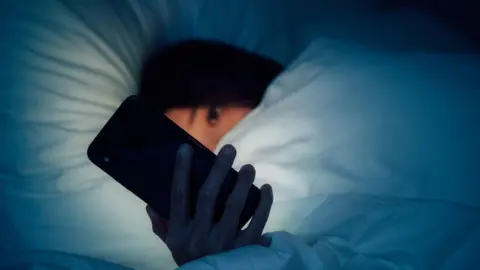
A recent data-driven snapshot reveals a concerning truth: 33.2% of U.S. adults reported sleeping less than 7 hours a night in 2020, according to the Centers for Disease Control and Prevention (CDC) (Source). At the same time, approximately 14.5% of adults said they had trouble falling asleep most days, and 17.8% reported trouble staying asleep (Source). These numbers underscore that sleep problems are far from marginal—they affect a sizable portion of the population.
So why is this problem escalating and trending now? Let’s unpack several key themes driving this rise, examine what research says, explore how people are talking about it, and conclude with practical steps backed by evidence.
1. The Rise of Digital Lifestyle Disruption
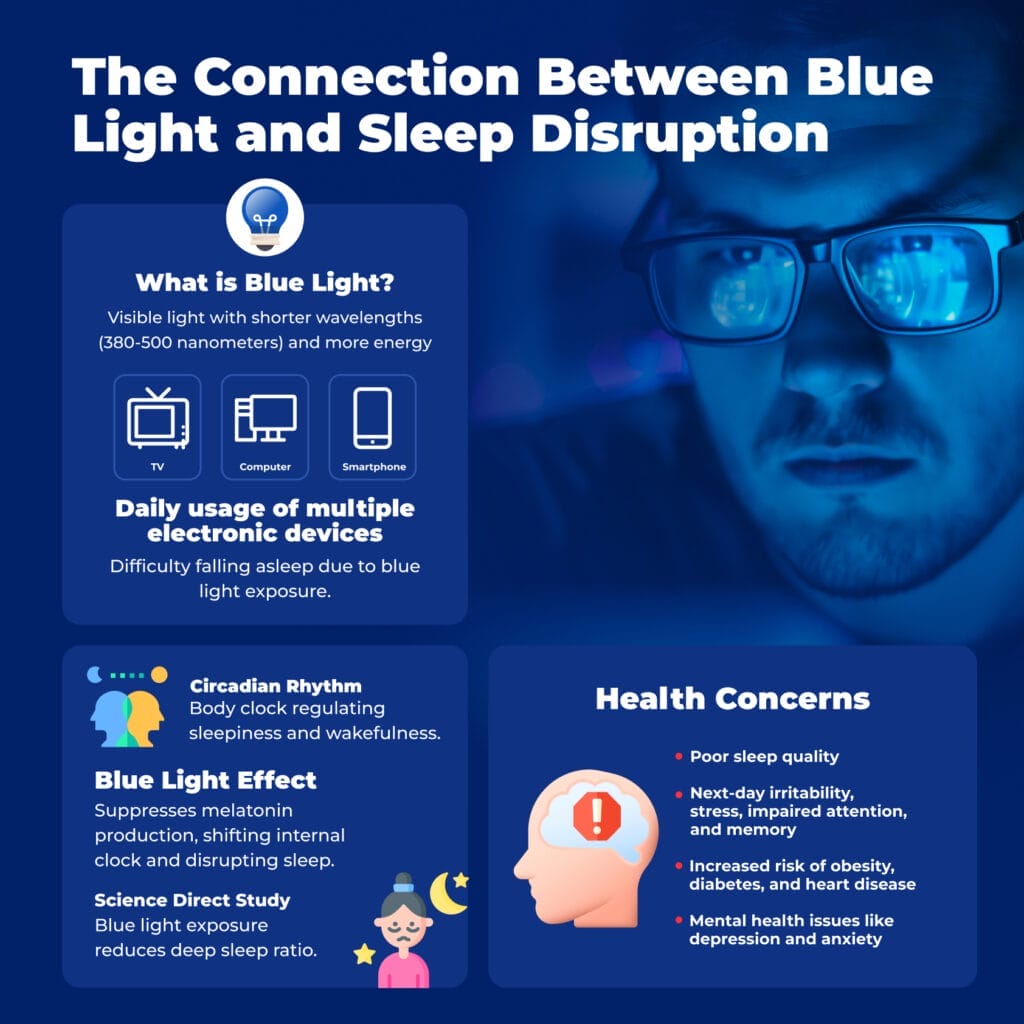
One of the strongest contributors to modern sleep struggles is our digital environment. A growing body of research links screen and social‐media usage with negative effects on sleep:
Devices emitting blue light suppress melatonin and can shift circadian rhythms, making it harder to fall asleep.
A study shows adolescents and young adults who used smartphones for more than 2 hours per day had about 1.5× higher odds of reporting sleep problems than those who did not use a smartphone that day.
More specifically for social media: frequent use and high emotional investment in social platforms can lead to negative social comparison and pre‐sleep cognitive arousal (racing thoughts before bed), which in turn worsen sleep outcomes.
Among younger generations, the statistic is striking: 93% of Gen Z admitted they’ve gone to bed later than intended because of social media.
What it means: It’s not just about quantity of screen time—it’s about how and when we use devices. Late‐night scrolling, emotionally charged feeds, and the habit of staying connected might be quietly undermining our ability to sleep well.
2. “Sleep Anxiety” & The Self-Optimization Trend
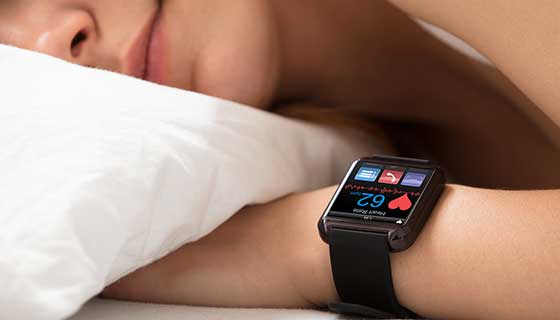
Another emerging trend is the growing pressure to optimize sleep—often called “sleep-maxxing”—and how this pressure itself may become a source of anxiety.
Key points:
The notion of “perfect sleep” has become popular on social platforms: elaborate bedtime routines, sleep gadgets, trackers, and “hacks” abound.
But ironically, obsessing over sleep metrics or comparing one’s “sleep score” can backfire (a phenomenon sometimes called Orthosomnia).
Experts identify “sleep anxiety” (fear of not sleeping well) as a driver of poor sleep itself—heightened stress and self-monitoring keep the brain too active when it should be winding down.
Takeaway: Trying to optimize sleep without awareness can paradoxically make matters worse. A calmer, simpler bedtime routine may be more effective than constant tracking.
3. Social & Economic Stressors Amplifying Sleep Disruption
It’s not just lifestyle and tech—bigger contextual stressors are also affecting sleep quality:
Data show that adults with lower income and lower educational attainment are more likely to report sleep problems or short sleep duration.
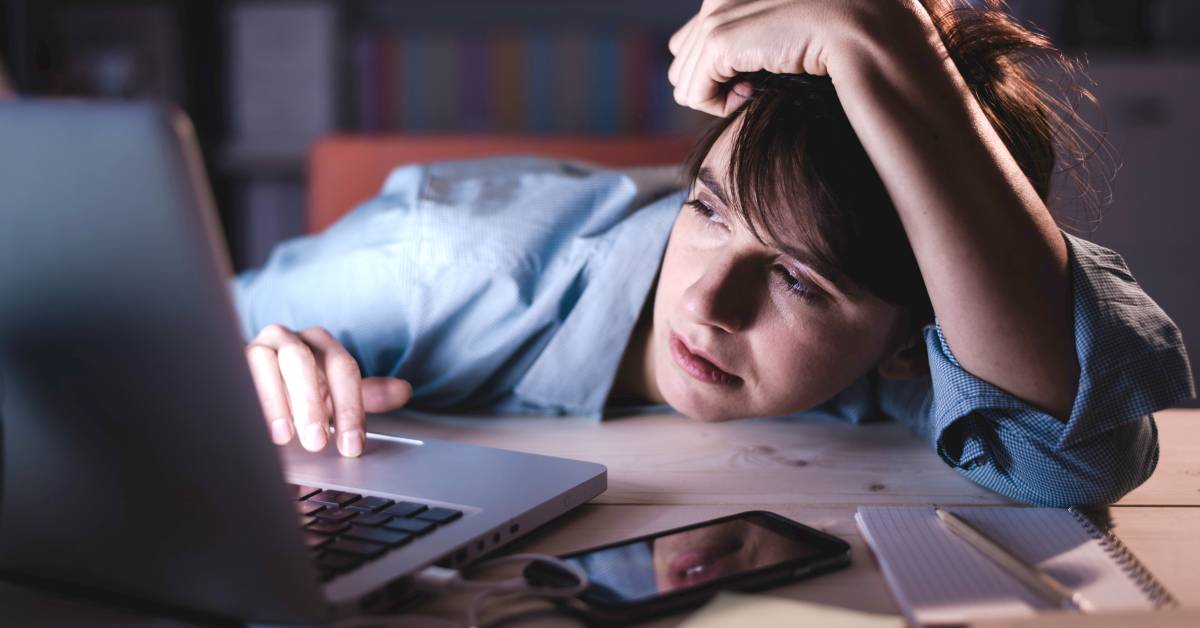
Experts note that younger adults (Gen Z and millennials) face unprecedented levels of stress—with economic instability, career/job uncertainty, and social pressures contributing to disrupted sleep.
According to the CDC, short sleep duration (< 7 h) is associated with a higher risk of chronic diseases including obesity, diabetes, hypertension, heart disease, and stroke.
Implication: When external stress is high, it becomes harder to create and maintain the internal conditions needed for good sleep—making it all the more important to build protective habits.
4. Sleep Duration & Quality: The Hard Data

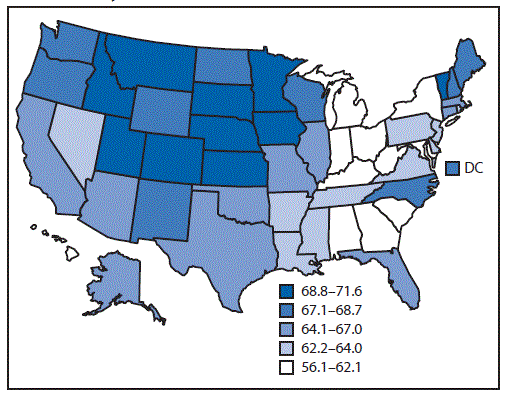
Summarizing the key statistics:
In 2022, about 69.9% of U.S. adults reported sleeping the recommended 7 or more hours per night
Yet, in 2020, 14.5% of adults had trouble falling asleep several times a week and 17.8% had trouble staying asleep most days or every day
Short sleep duration (< 7 h) is reported by roughly one-third of adults
These numbers indicate that sleep problems are not isolated—they’re pervasive, and the trends have been stubbornly consistent.
5. What People Are Saying (Social Media Voices)
Here are real snippets reflecting what users are saying about their sleep. They highlight the lived experience and help humanize the issue.
“Can’t stop scrolling. Before I know it it’s 2 am and I have to wake up in two hours. Why is my phone more addictive than sleep?” – Reddit user in r/insomnia discussion
“I buy all these sleep trackers but waking up every hour still. Feels like tracking my sleep just stresses me more.” – Instagram story comment
These reflections underscore how both technology use and tracking/optimization culture are deeply intertwined with sleep frustration—and not always in helpful ways.
6. Practical Evidence-Based Strategies to Improve Your Sleep
Experts say these are the best bets for improving both sleep quantity and quality:
Consistent bed and wake time: Aim for a regular schedule even on weekends.
Wind-down routine: Create a calming pre-bed ritual (reading, light stretching, dim lights) to cue your body that it’s time to sleep.
Limit screens before bed: Try to avoid devices for at least 30–60 minutes before bedtime; blue light and cognitive arousal from social media can delay sleep.
Optimize your sleep environment: Cool, dark, and quiet are ideal. Avoid checking the clock or tossing and turning in bed for long periods.
Manage stress and anxiety: Techniques like mindfulness, journaling, or cognitive shuffling (random imagery thoughts) can help disengage your mind from rumination. (For example, the viral “cognitive shuffle” on TikTok is gaining recognition—though like any trend, use it cautiously.).
Be cautious with trackers/hacks: While sleep devices/apps can provide insights, they can also raise anxiety about “perfect sleep”. Use them as tools—not judgments.
Seek professional help if needed: If you regularly fall asleep poorly, wake up unrefreshed, or suspect a sleep disorder (like sleep apnea), talk to a sleep specialist.
7. Final Thoughts: Moving From Trend to Practice
Sleep problems are trending for a reason: they reflect the collision of technology, social pressures, health stress, and modern life. But the good news: many of the solutions are surprisingly simple. Focusing on consistent habits, reducing digital clutter before bed, and nurturing your sleep environment can make a meaningful difference.
Experts emphasise a gentle mindset: don’t let the pursuit of perfect sleep become another stress. Instead, aim for “good enough” and let the rest follow. Remember: better sleep is not just about hours—it’s about rhythm, routine, and restoration.

About the Author
Denish Verma is a health & wellness writer and medical content strategist. He focuses on simplifying complex medical topics and empowering readers with evidence-based information.


Comments
Post a Comment